
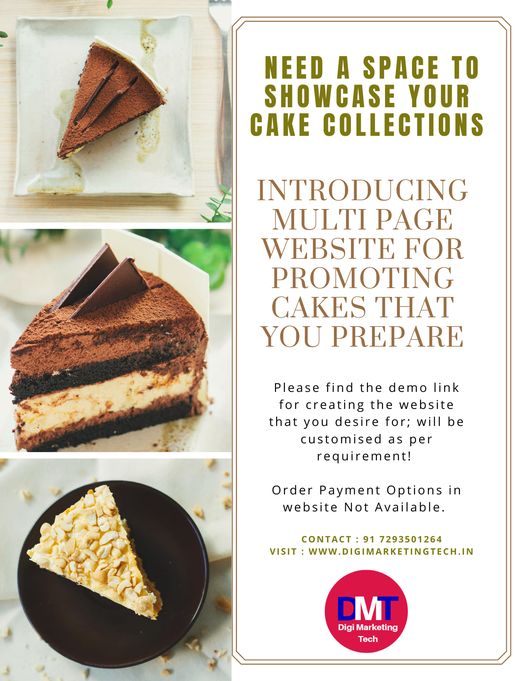
What’s the purpose of Poster Creation ?
{ An example of poster creation is given for reference }
The primary goal of a poster is to communicate a message or idea to a specific audience. Its versatile nature allows it to be used for several key objectives:
Advertising and Marketing: One of the most common uses is to promote products or services. Businesses use posters to build brand awareness and drive sales through eye-catching imagery.
Information and Education: Posters are excellent for distilling complex information into an easy-to-understand format. This is common in academic settings, medical offices, or for public safety announcements.
Event Promotion: They serve as a call to action for upcoming functions such as concerts, film screenings, exhibitions, or community gatherings.
Persuasion and Awareness: Activists and organizations use posters to raise awareness for social causes, influence public opinion, or motivate people to take specific actions like voting or donating.
Celebration: Posters can achieve visual hierarchy to commemorate milestones, festivals, or special achievements, often using a central “hero” image to anchor the design.
Key Benefits of Poster Marketing :
Using posters as a medium offers several strategic advantages:
High Visibility: When placed in high-traffic areas, posters provide continuous exposure to a large number of people, ensuring your message is seen repeatedly.
Cost-Effectiveness: Compared to digital advertising or print media like magazines, posters are relatively inexpensive to produce and distribute, offering a high return on investment.
Versatility: They can be produced in various sizes and styles to fit different environments, from small indoor notices to large outdoor billboards.
Instant Visual Impact: Through the use of bold colors and graphics, posters are designed to grab attention instantly, even from a distance.
Targeted Reach: You can strategically place posters in specific neighborhoods or venues to reach a niche demographic or a local community directly.
Durability and Longevity: Unlike a digital ad that disappears after a click, a physical poster can stay in place for days, weeks, or even months, providing long-lasting exposure.
Creative Freedom: Designers have total control over the layout, typography, and imagery, allowing for limitless creative expression to make the message stand out.